
The Back in Control 2 programme has now ended.
Please see the final reports from the external evaluation team here


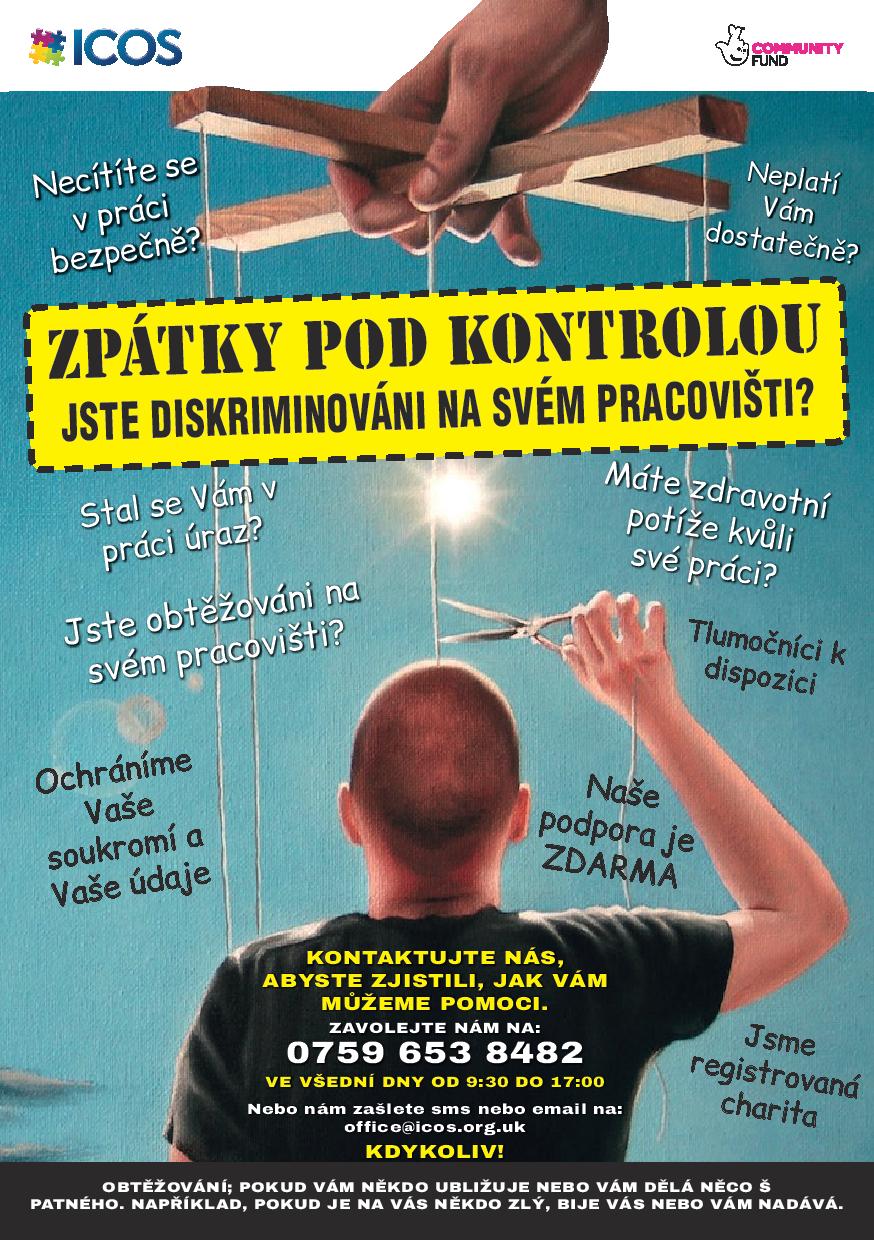


Back in Control 2 (BiC2) has been highly successful in improving safety, stability, independence and
wellbeing for a very vulnerable group of adults affected by modern slavery and labour exploitation
in Sunderland and the surrounding area.
Reaching and engaging hidden survivors
Between 2022 and 2025 the programme supported 92 diverse survivors, many with insecure
immigration status, limited English and complex trauma, who often struggle to engage with
statutory services. As a trusted, culturally competent organisation working through multiagency
networks and community outreach, BiC2 has been able to identify and support people who might
otherwise remain invisible and unprotected.
Immediate safety, crisis support and stabilisation
BiC2 has been effective at responding rapidly when people escape exploitation, providing
emergency food, fuel, clothing, advocacy and access to safe accommodation, which prevents
homelessness and reduces the risk of immediate reexploitation. Quantitative data show statistically
significant early improvements in clients’ sense of safety within the first year of support, with even
stronger gains by 13–24 months.
Building stability, independence and legal security
Over time, clients show clear progress in financial situation, housing, independence and knowledge
of how to find legal employment, with the largest gains emerging for those engaged for more than a
year. The project has successfully linked survivors into welfare, housing and specialist immigration
advice, helping them secure status, entitlements and protections that reduce longterm vulnerability
to further exploitation.
Improving wellbeing, confidence and skills
Wellbeing scores improve across both 3–12 and 13–24 month periods, especially in clients’ ability to
make their own decisions, deal with problems and feel more relaxed and optimistic. Qualitative
interviews show that counselling, regular checkins, ESOL and skills development, plus opportunities
for volunteering and peer involvement, help rebuild confidence, agency and a sense of belonging for
both men and women, despite gendered patterns of trauma and exploitation.
Influence, alignment and strategic value
Stakeholders report that BiC2 provides a model of traumainformed, holistic, multiagency practice
that aligns closely with UK priorities on safeguarding, early identification, prevention and reducing
reexploitation. The evaluation concludes that BiC2 delivers meaningful, sustained impact for
survivors and is strategically important to the regional response to modern slavery, with the
strongest outcomes where support and funding are sustained over the longer term.
Back in Control 2 achieved clear, measurable gains in client safety, stability, independence and
wellbeing over the life of the project, with the strongest outcomes for those engaged beyond one
year.
Stability and independence outcomes
Clients reported consistent improvements in core “stability and independence” indicators between
registration and followup. Across the outcome survey, overall scores rose by 46% at 3–12 months
and 67% at 13–24 months, with the largest longterm gains in financial situation, housing, personal
safety, English skills and knowledge of how to find legal employment. Several domains, including
feeling safe, financial stability, housing, crisishelp knowledge, English, and understanding of legal
work routes, showed statistically significant improvements by 13–24 months.
Wellbeing and empowerment outcomes
On the SWEMWBS scale, total wellbeing scores increased by around 56–57% between baseline and
both followup periods, indicating sustained improvement over time. Early gains were strongest in
feeling relaxed and dealing with problems, while later gains focused on thinking clearly and making
decisions, with “being able to make up my own mind about things” improving significantly at both
followups. This pattern shows that BiC2 not only reduces immediate distress but also builds
longerterm autonomy, coping and emotional regulation.
Gendered outcome patterns
Both men and women improved across all stability and independence indicators, but with different
strengths. Women showed greater gains in safety, housing, crisishelp knowledge, readiness for work
and English, while men progressed more in legal employment knowledge, independence and
managing daily tasks, and achieved a slightly higher overall stability score increase (48% vs 42%).
Wellbeing gains were broadly similar overall (56% total increase for both), but men showed a
significant improvement in relaxation while women recorded larger percentage increases in
optimism and clear thinking, albeit from a smaller sample.
Prevention, rescue and reduced reexploitation
Increased perceptions of safety, improved crisishelp knowledge and stronger understanding of legal
employment routes all indicate that survivors are better equipped to avoid, exit or report
exploitative situations. Stakeholder and survivor interviews confirm that BiC2 played a critical role in
early identification, crisis response and safeguarding, often preventing homelessness or unsafe work
that would have led to reexploitation.
Pathways to participation and longerterm change
Although employment and volunteering outcomes are harder to capture quantitatively, the
combination of improved autonomy, decisionmaking, English, and financial and housing stability
evidences a trajectory towards greater independence and participation. Qualitative accounts show
people moving into education, training, volunteering and safer work, using BiC2 support to rebuild
skills, confidence and future plans.
Outcomes Survey:
BiC Outcome Measure %
Increase
3-12
Month
FU
% Increase
3-12 Month
FU (Male)
% Increase
3-12 Month
FU (Female)
% Increase
13-24
Month FU
Safe in current
situation
40% 36% 42% 61%
Financial Situation 38% 36% 38% 72%
Housing Situation 44% 40% 46% 67%
Basic Daily Things 29% 32% 25% 28%
Seek help in crisis 40% 36% 42% 56%
Independent 44% 44% 42% 44%
English Language skills 35% 32% 38% 67%
Finding Legal
Employment
40% 44% 33% 44%
Current Employer (if in
work)
44% Not enough
data
Not enough
data
Not enough
data
Readiness for work 39% 38% 43% 38%
Total Scores 46% 48% 42% 67%
Wellbeing:
Wellbeing Measure %
Increase
3-12
Month
FU
%
Increase
3-12
Month
FU
(Male)
%
Increase
3-12
Month
FU
(Female)
%
Increase
13-24
Month
FU
%
Increase
13-24
Month
FU
(Male)
%
Increase
13-24
Month
FU
(Female)
I’ve been feeling
optimistic about the
future
34% 28% 40% 37% 33% 35%
I’ve been feeling useful 28% 28% 28% 37% 27% 41%
I’ve been feeling relaxed 48% 52% 44% 47% 40% 47%
I’ve been dealing with
problems well
40% 40% 40% 53% 47% 53%
I’ve been thinking clearly 32% 20% 44% 53% 53% 47%
I’ve been feeling close to
other people
26% 28% 24% 40% 33% 41%
I’ve been able to make
up my own mind about
things
38% 40% 36% 40% 40% 35%
Total Scores 56% 56% 56% 57% 53% 53%
The programme was uniquely positions to make a real difference to client’s lives, as it was
run by migrant people themselves. We would also like to thank the members of the lived –
experience Project Steering Group – Joy, Dominika, Andriy, Grzegorz, Dorota have helped us
to deliver a responsive programme which met survivor’s needs.
We would like to extend our gratitude to our partner- Impact North East CIC, who have provided
effective counselling to programme clients.
We would also like to thank the funder- the National Lottery Community Fund for their funding.
Finally, we are grateful to our evaluation partner- the University of Sunderland for their work on the
external evaluation of the programme.